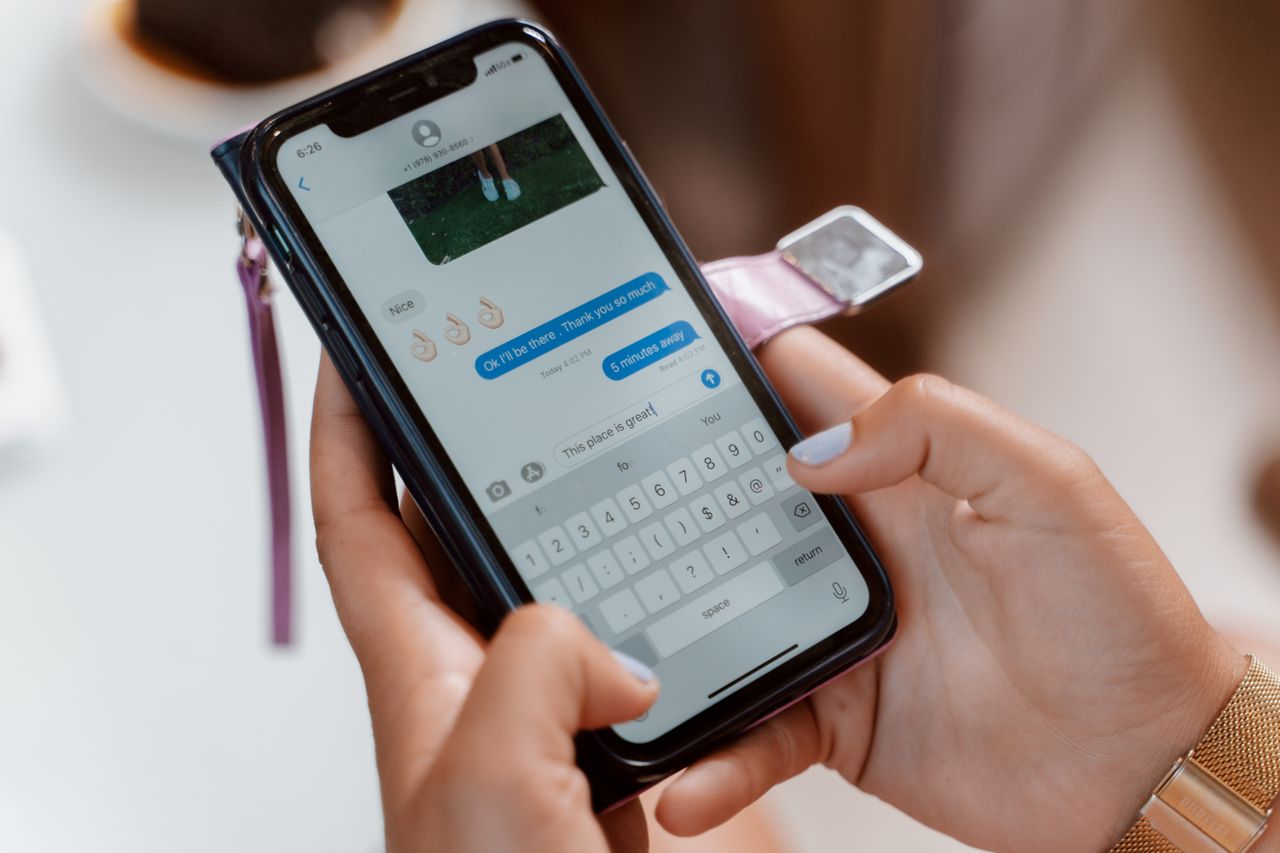
One of the biggest questions in modern dating is surprisingly simple: How long should you talk before meeting someone in person?
Some people meet after a day of chatting. Others spend weeks or even months messaging without ever taking the next step. While there's no universal timeline, waiting too little or too long can both create problems.
Meeting too soon may leave you without enough information to judge whether the person is genuine. Waiting too long can lead to unrealistic expectations, emotional attachment to someone you've never met, or conversations that slowly lose momentum.
So, what's the right balance?
The answer depends less on the number of days you've been talking and more on the quality of your conversations, your comfort level, and your confidence that the other person is who they claim to be.
Let's explore what actually works in real life.
There's No Magic Number of Days
Many people search for answers like:
- Meet after three days?
- Wait one week?
- Talk for a month?
- Is two weeks too soon?
In reality, attraction and trust don't follow a calendar.
Some couples feel comfortable meeting after several meaningful conversations over a few days. Others naturally take longer because of busy schedules, distance, or personal comfort levels.
Instead of counting days, ask yourself whether you've built enough trust to meet safely.
A Better Question: Are You Actually Getting to Know Each Other?
Before deciding to meet, consider the quality of your conversations.
Ask yourself:
- Do your conversations feel natural?
- Have you spoken about more than just hobbies?
- Have you discussed work, family, goals, or interests?
- Do they ask questions about you too?
- Do they seem consistent in what they say?
Good conversations gradually reveal personality, values, and communication style.
If every chat is limited to "Good morning" and "What are you doing?", you probably don't know enough about the person even if you've been talking for three weeks.
Signs You're Probably Ready to Meet
Rather than focusing on time, look for these indicators.
If several of these apply, meeting in person often becomes a natural next step.
Why Meeting Too Soon Can Be Risky
There's nothing wrong with meeting quickly if both people feel comfortable.
However, rushing can create unnecessary risks.
For example:
- You may not know enough about the person's intentions.
- Red flags haven't had time to appear.
- They may present a very different personality in person.
- You may overlook inconsistencies because of initial attraction.
This doesn't mean you should wait months. It simply means taking enough time to feel reasonably confident before arranging a meeting.
Why Waiting Too Long Can Also Be a Problem
Surprisingly, delaying the meeting for too long has its own downsides.
People often create an idealized version of someone through texting.
Without real-life interaction, it's easy to imagine:
- Better chemistry than actually exists.
- Similar personalities.
- Shared values.
- Romantic compatibility.
When you finally meet, reality may feel very different.
Long periods of texting can also make conversations repetitive, causing interest to fade before you've even met.
Video Calls Can Bridge the Gap
One of the smartest steps before meeting is having a phone or video call.
A short conversation can tell you far more than hundreds of text messages.
You'll notice:
- Their communication style.
- Whether conversations flow naturally.
- Confidence and personality.
- If their profile matches reality.
Many people find that a 15-minute video call significantly increases their comfort before meeting.
Safety Should Always Come First
No matter how long you've been talking, your safety should never depend on trust alone.
When meeting for the first time:
- Choose a public place.
- Meet during the daytime if possible.
- Tell a friend or family member where you're going.
- Arrange your own transportation.
- Avoid sharing your home address immediately.
- Trust your instincts if something feels wrong.
Feeling safe is far more important than following any dating "rule."
Don't Ignore Red Flags
Sometimes people become emotionally invested before meeting and overlook warning signs.
Be cautious if someone:
- Avoids phone or video calls.
- Frequently changes their stories.
- Pushes you to meet despite your discomfort.
- Becomes possessive very quickly.
- Refuses to answer basic questions.
- Asks for money or personal financial information.
Healthy relationships develop gradually and respect boundaries.
How to Know You're Emotionally Ready
Being ready isn't just about trusting them.
It's also about understanding your own feelings.
Ask yourself:
- Am I meeting because I genuinely want to?
- Do I feel excited rather than pressured?
- Am I comfortable saying no if I change my mind?
- Would I feel safe leaving if the date becomes uncomfortable?
If your answers are mostly yes, you're likely approaching the meeting from a healthy mindset.
What Happens After You Meet?
The first meeting isn't about deciding your entire future together.
Instead, it's an opportunity to answer simple questions:
- Do conversations feel as easy in person?
- Is there mutual respect?
- Are you comfortable together?
- Does the chemistry match your online conversations?
Keep expectations realistic.
Even if you've spoken for weeks, meeting in person is often the beginning, not the conclusion of getting to know someone.
Common Mistakes People Make
Many online daters unintentionally create problems by:
- Waiting several months before meeting.
- Sharing deeply personal information too early.
- Ignoring obvious warning signs.
- Feeling obligated to meet because they've chatted for a long time.
- Assuming texting chemistry guarantees real-life compatibility.
Avoiding these mistakes makes the transition from online conversations to real-life meetings much smoother.
Every Relationship Moves at Its Own Pace
Some successful couples met after only a few days of chatting.
Others built trust over several weeks before arranging a date.
Neither approach is automatically right or wrong.
The healthiest timeline is one where:
- Both people feel comfortable.
- Trust has developed naturally.
- Safety has been considered.
- Neither person feels pressured.
When both individuals respect each other's pace, the relationship usually starts on a stronger foundation.
Final Thoughts
There isn't a perfect number of days you should talk before meeting someone in person. What matters far more is whether you've developed enough trust, consistency, and comfort to feel confident about taking that next step.
Meaningful conversations, a willingness to verify identity through phone or video calls, mutual respect, and attention to personal safety are much better indicators than any fixed timeline.
When the time feels right for both of you, plan a simple meeting in a public place, keep expectations realistic, and treat it as another opportunity to learn about each other. The strongest relationships aren't built by following strict dating rules; they grow through honest communication, patience, and shared experiences.